

AI Payment Fraud Incident Response: What to Do First
The first hour after a fraudulent wire can decide whether funds are frozen or lost. Follow this practical response guide for banks, insurers, evidence, law enforcement, and recovery.
Todos los artículos
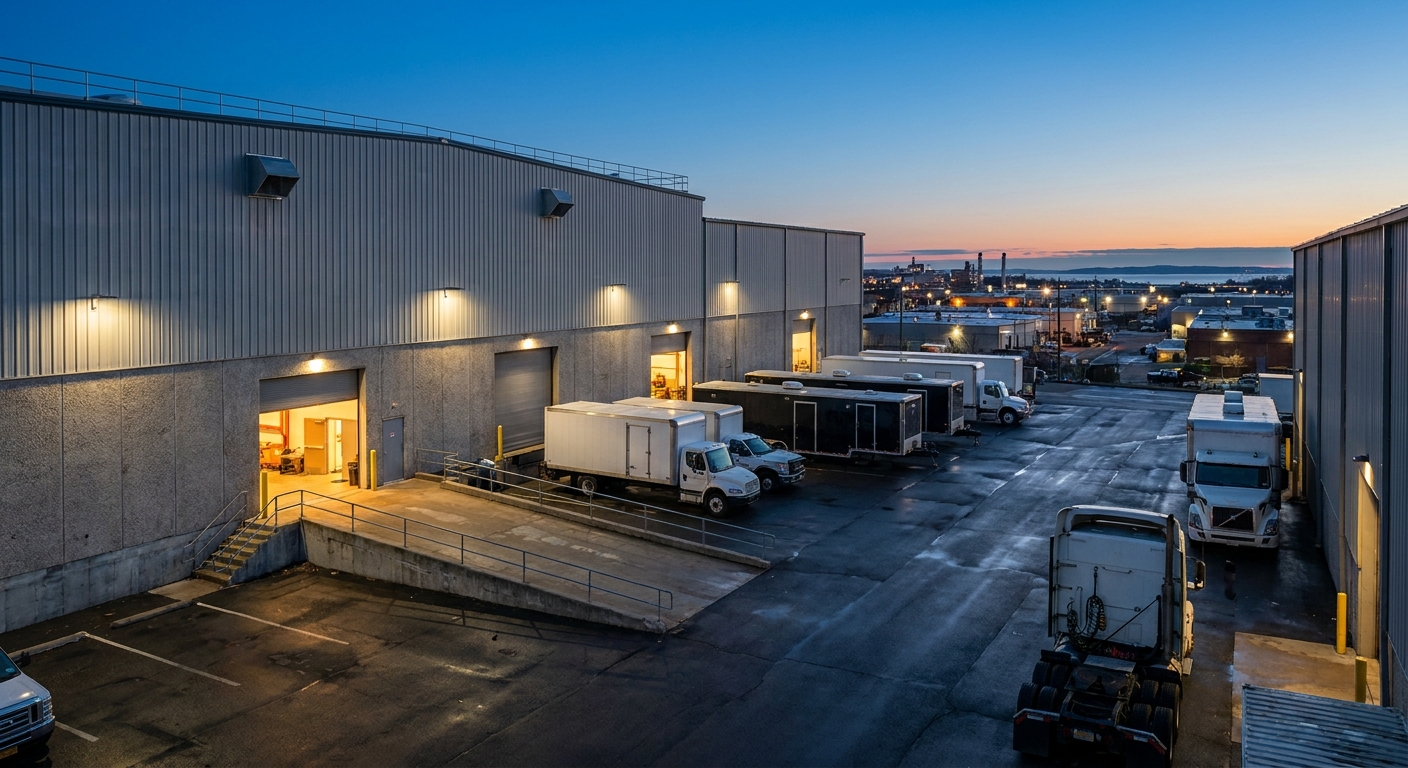
The Commercial Landlord Insurance Submission Checklist: What Underwriters Need Before They Quote
Commercial landlord insurance submission checklist for Connecticut building owners: tenant schedule, building values, lease requirements, photos, systems, losses, and vacancy.

Funds Transfer Fraud and Invoice Manipulation Coverage for Manufacturers
How manufacturers should insure and prevent funds transfer fraud, invoice manipulation, vendor impersonation, and payment instruction scams.

The 7 Best Cannabis Insurance Carriers Writing in Connecticut (2026)
Seven specialty carriers do the bulk of cannabis underwriting in Connecticut today. Each writes differently, prices differently, and excels at different operations. Here's the honest 2026 breakdown of who writes what and when each carrier is the right fit for a CT operator.

Best Lessor's Risk Insurance Carriers for Connecticut Commercial Landlords in 2026
Best lessor’s risk insurance carriers for Connecticut commercial landlords in 2026, including standard markets, specialty options, and carrier fit by tenant type.
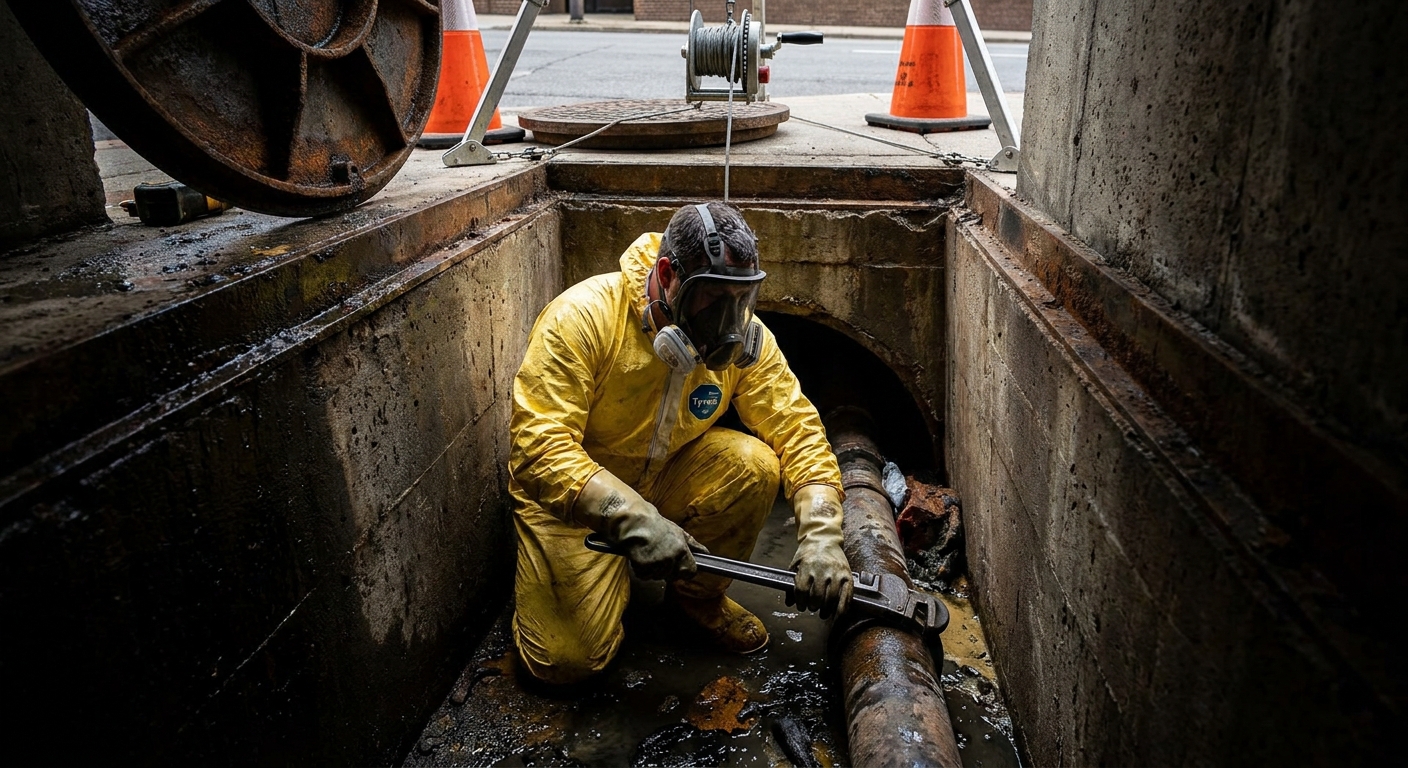
Contractor's Pollution Liability for Plumbers: The Coverage Most Plumbers Skip (And Shouldn't)
Contractor's Pollution Liability is the single most-skipped coverage in plumbing — and the one that bankrupts the most plumbers. Here's exactly what it covers, when it triggers, and why your GL won't save you on a sewer backup claim.

The Free 90-Day Cannabis Insurance Renewal Countdown Calendar (Connecticut Operator Worksheet)
A free 90-day countdown calendar that maps every action a Connecticut cannabis operator should take before a policy renewal — gather, review, shop, decide, bind. Print it, post it on the wall, work backwards from the renewal date. No email gate.
The Tenant Changes That Can Break Your Building Insurance: Restaurants, Contractors, Vacant Units, and More
Tenant changes that can break commercial landlord insurance: restaurants, contractors, warehouses, vacant units, cannabis, vape, storage, and mixed-use risks.

Lessor's Risk vs. Commercial Property vs. BOP: What Connecticut Building Owners Actually Need
Lessor’s risk vs commercial property vs BOP for Connecticut landlords: what each covers, what it excludes, and how building owners should structure coverage.
Why Cannabis Landlord Property Claims Get Denied in Connecticut (And the 5 Lease Clauses That Prevent It)
Cannabis lessors risk claims in Connecticut get denied for predictable reasons: exclusions, lease misalignment, and tenant operational changes. Here are five lease clauses that close the common coverage gaps.

Why Commercial Landlord Insurance Claims Get Denied: 7 Lease and Coverage Gaps That Cost Owners Money
Why commercial landlord insurance claims get denied in Connecticut: lease gaps, tenant changes, vacancy clauses, maintenance issues, wrong limits, and missing endorsements.

Ransomware Controls Manufacturers Need Before Cyber Renewal
The ransomware controls manufacturers should prepare before cyber renewal, including MFA, backups, endpoint detection, patching, vendor access, and incident response.

Cannabis Insurance vs. Standard BOP: Why a Regular Business Policy Won't Cover Your CT Dispensary
A standard Business Owners Policy (BOP) looks like the obvious choice for a CT dispensary — until you read the controlled-substances exclusion. Here's the line-by-line comparison of what a regular BOP covers, what it excludes, and why cannabis operators need a purpose-built policy.